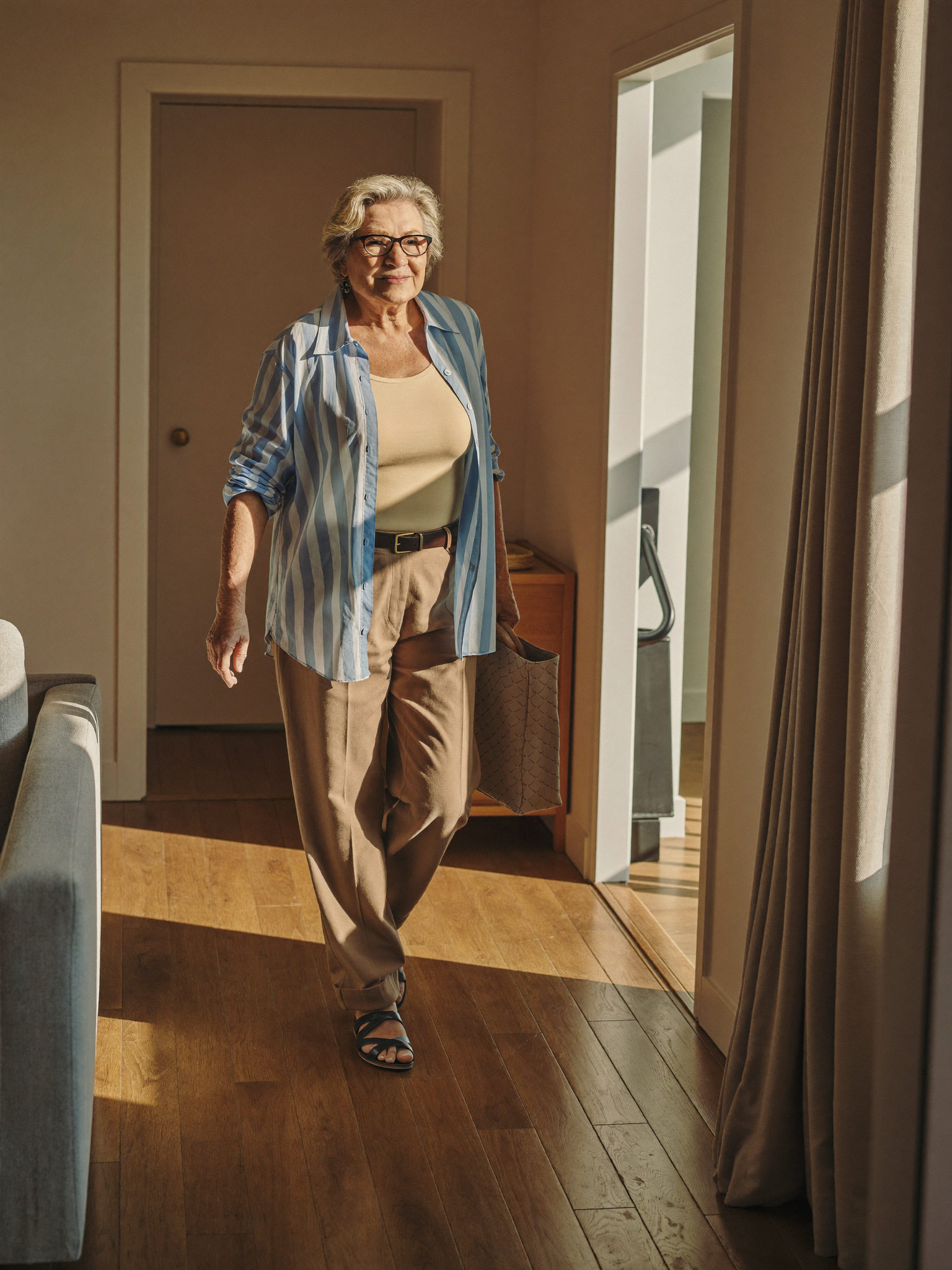
A fall can change everything in an instant. For many older adults, a single fall is the moment independence starts to slip away. The good news: most falls are preventable, and a few simple changes around the home make an enormous difference.
I work with people approaching 65 and those already on Medicare, and staying healthy and independent at home is part of every conversation I have. Here are eight practical steps you can take today.
One in four adults age 65 and older reports a fall each year, and falls are the leading cause of injury for older Americans. Most of those falls happen at home, and most are preventable.
1. Clear the walkways
Loose clutter is the most common tripping hazard in any home. Walk through every room you use daily and remove anything on the floor that does not belong there: stacks of magazines, electrical cords running across walkways, low footstools, and pet bowls in busy paths. Keep a clear, straight route between the rooms you use most, especially from the bedroom to the bathroom.
2. Secure or remove loose rugs
Throw rugs and area rugs are a leading cause of falls. Either remove them or secure them firmly with double-sided carpet tape or a non-slip rug pad. Pay special attention to rugs at the top and bottom of stairs and just inside exterior doors.
3. Improve your lighting
Aging eyes need more light to see clearly. Add brighter bulbs to hallways, staircases, and entryways. Place a lamp within easy reach of the bed and use motion-activated night lights along the path to the bathroom. A well-lit home is a safer home.
4. Add grab bars and handrails
Install grab bars inside and beside the shower or tub and next to the toilet. Make sure every staircase has a sturdy handrail, ideally on both sides. These small additions provide stability exactly where falls are most likely to happen.
5. Make the bathroom safer
The bathroom is one of the most dangerous rooms in the house. Use a non-slip mat or adhesive strips in the tub and shower. Consider a shower chair and a handheld showerhead so you can sit while bathing. A raised toilet seat can also reduce strain and improve stability.
6. Wear safe footwear
Skip the loose slippers and socks on hard floors. Wear well-fitting shoes with non-slip soles, even indoors. Footwear that supports your feet and grips the floor reduces your risk with every step you take.
7. Review your medications
Some medications, and certain combinations of them, cause dizziness, drowsiness, or low blood pressure that can lead to falls. Keep an up-to-date list of everything you take and review it with your doctor or pharmacist at least once a year. If you notice new lightheadedness after a medication change, mention it right away.
8. Keep moving and stay strong
Strength and balance are use-it-or-lose-it skills. Gentle, regular activity such as walking, tai chi, or simple chair exercises improves balance, builds leg strength, and keeps you steadier on your feet. Ask your doctor about a balance program that fits your ability.
Falls and your peace of mind
Staying safe at home is about more than avoiding injury. It is about keeping the independence and confidence that let you enjoy your life on your terms. If you have a parent or loved one you worry about, share this checklist with them, and walk through their home together.
As a local agent serving the San Fernando Valley, Conejo Valley, and Ventura County, I host community education events on staying safe and healthy after 65. If you would like to learn about an upcoming event, or simply have a question, reach out any time.
Questions About Medicare or Staying Healthy After 65?
Schedule a no-pressure conversation. I am here to help you protect your health and your independence.
Schedule a Consultation